

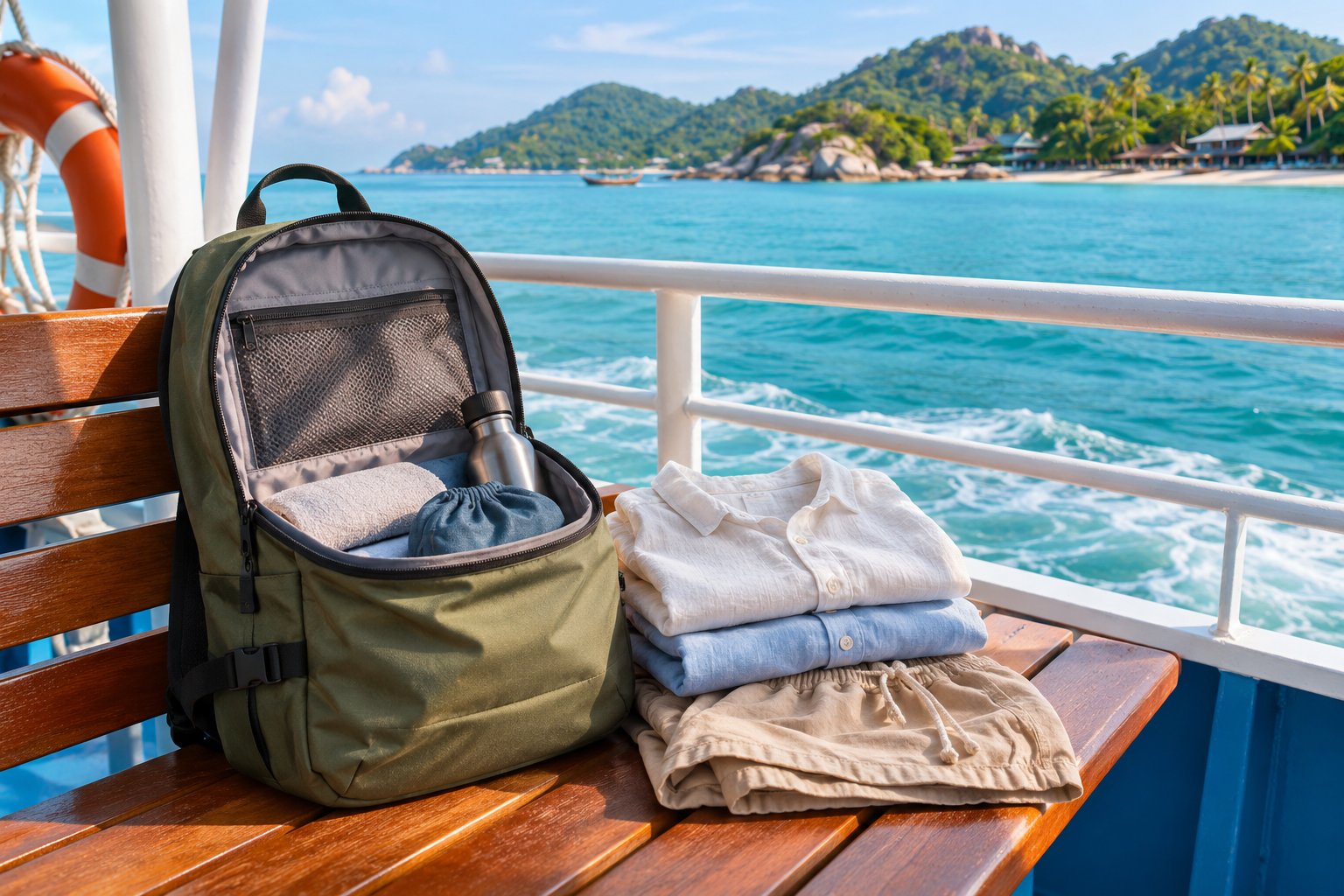
How to Travel to Thailand Cheaply: The Hand-Luggage Holiday Hack
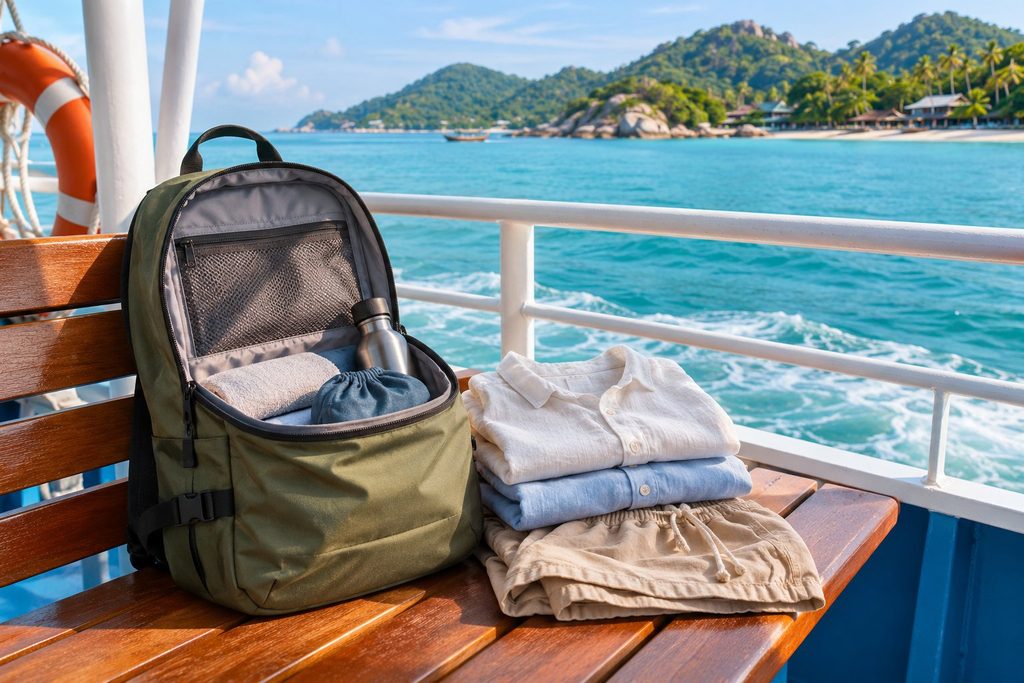
Long-haul flights can take a big bite out of a holiday budget, especially once checked-bag fees are added. One option is to travel out with only cabin baggage, buy a few inexpensive basics after landing in Bangkok, and carry on to the islands. It will not suit every trip, but it can work for travellers who pack light and compare the full cost before booking.
1. Compare the whole flight, not just the headline fare
Search with flexible dates and more than one airport if that is practical. Compare low-cost long-haul airlines with traditional carriers, then check the same itinerary directly with the airline. A low base fare can change once you add a cabin bag, checked luggage, a seat, a meal or a payment fee. A traditional airline may already include some of those items.
For winter 2026–27, Norse Atlantic has announced Thailand services from London Gatwick and Manchester in the UK, and Oslo and Stockholm Arlanda in Scandinavia, with Bangkok and Phuket among its destinations. Routes and frequencies are seasonal and can change, so treat that as an example rather than a permanent schedule. Compare the airport you can realistically reach, the date, flight times and the onward journey—not only the fare. Norse Atlantic’s winter route announcement and Manchester Airport’s route update are useful starting points; always confirm current flights with the airline.
2. Know what “hand luggage” includes
Airlines distinguish between a small personal item, such as a compact rucksack or handbag that fits under the seat, and a larger cabin bag for the overhead locker. Checked baggage travels in the aircraft hold. The size, weight, number of items and price depend on the airline, ticket type and route.
As one current example, Norse Atlantic’s published Economy allowance lists one personal item up to 40 × 30 × 15 cm and one cabin bag up to 10 kg and 56 × 45 × 25 cm. Its checked-bag allowance also depends on fare: some Economy fares include a bag while others make it an add-on. Read the hand-baggage rules and checked-baggage rules for the ticket you are actually buying. Do not assume another airline uses the same dimensions or includes the same bags.
3. Pack for the flight, not for every possible outfit
For a warm-weather trip, start with a small set of essentials you can wash and re-wear:
- Passport, travel insurance details, booking confirmations and payment cards.
- Any regular medication in its original packaging, plus prescription information where appropriate.
- Two or three lightweight outfits, underwear and socks, and a compact layer for air-conditioned transport.
- Swimwear and one comfortable pair of walking shoes or sandals.
- Phone, charging cable, plug adaptor and a power bank carried according to your airline’s rules.
- Small toiletries that comply with airport security rules, plus any essential personal items.
- A foldable tote or small day bag for shopping and island outings.
Keep documents, valuables, medication and electronics in the personal item you can reach easily. Check the weight and dimensions at home, including handles and wheels. If you have a connection, check each airline’s rules and the airport security limits on liquids and batteries. Travelling light only works if you can manage comfortably with what you bring.
4. Buy a few basics in Bangkok
Bangkok gives you the option to pick up T-shirts, shorts, light trousers, a beach cover-up or other simple holiday clothes after arrival. Pratunam Market is known for clothing stalls and shops, while the nearby Platinum Fashion Mall offers multiple floors of fashion retail. Check opening arrangements and directions before making a special trip.
Buying locally can mean less to carry on the flight and lets you choose clothes for the weather once you arrive. But do not assume every item is cheap or suitable. Sizes, fabric, finish and prices vary between shops; inspect seams, try items on when possible and compare a few options before buying. If you are heading straight to a bus or ferry, allow time for shopping, traffic and luggage rather than building a tight connection.
5. Continue south to Koh Tao
From Bangkok, one option is a combined bus-and-ferry ticket to Koh Tao. Operators such as Lomprayah publish current routes and timetables, including high-speed ferry services and bus transfers. Another option is a train south to Chumphon, followed by a transfer to the pier and a ferry across to the island. Check the State Railway of Thailand timetable and Lomprayah’s 2026 timetable for the dates you plan to travel; connections, availability and schedules can change.
An overnight bus or train may reduce the need for a city hotel, but it may also mean arriving tired. Compare the ticket, transfers, connection time and any accommodation you would otherwise book. Our guide to getting to Koh Tao covers the main route choices. Once you arrive, browse Koh Tao accommodation, things to do, beaches and bays and diving guides to plan the island part of your trip.
6. Plan how purchases will get home
If you want to bring purchases home, compare the airline’s return-baggage price before you travel. Some airlines let you add a checked bag later, but the price and deadline vary by ticket and route. A lightweight suitcase bought in Thailand may be useful, but include its cost and the return baggage charge in your calculation.
Posting items home can work for some purchases, but it is not automatically cheaper. Compare postage, packaging, insurance, tracking, delivery time and any customs or import charges with the cost of checking a bag. Do not post restricted items, and check the carrier and destination-country rules first.
If you do not want to keep every item, take home what you will use and consider whether a local charity or community organisation accepts clean, usable clothing. Ask first, follow its requirements and do not leave unwanted items behind or put them in general waste when a suitable reuse option exists.
7. Check Thailand’s entry requirements
Entry rules depend on the passport you hold and the visa or exemption you use. As of November 2026, the Royal Thai Embassy in London says eligible British and Irish passport holders can enter for tourism under a visa exemption for up to 30 days, effective from 15 September 2026. The Embassy’s current guidance says travellers using that exemption should have proof of accommodation and onward travel scheduled within 30 days; immigration officers may request additional documents. Other nationalities, visa types and travel documents can have different requirements, so check the Thai Embassy’s current visa guidance and the relevant Thai authority before booking.
All non-Thai nationals must submit a Thailand Digital Arrival Card (TDAC) for each entry no more than three days before arrival (including the arrival date). The TDAC is free and is not a visa. Use the official TDAC portal and its official FAQ; avoid third-party sites charging a fee to submit it.
8. Do the sums before choosing
Compare the total cost of two realistic itineraries:
Checked-bag option: flight fare + baggage for the journey + any other required extras.
Travel-light option: flight fare + clothes + shopping transport + any extra overnight stay + return suitcase/baggage or postage.
For an illustration only—not a current fare or price—suppose avoiding a checked-bag add-on saves £100. If clothes cost £45, extra local transport £15 and a case or return-bag option £25, the difference is £15 before any extra hotel. Add a £30 overnight stay and the light-travel plan costs £15 more. Replace every figure with current quotes for your dates; the result depends on the itinerary.
The useful calculation is:
Potential difference = baggage cost avoided − clothes − extra transport/stay − return baggage or postage.
Include the value of your time and comfort too. If shopping adds stress, your connection is tight or the airline’s bag fee is modest, taking a small suitcase may be the better choice.
Frequently asked questions
Can I travel around Thailand with hand luggage only?
Yes, if your airline allows the bag you plan to use and you can manage with a small amount of clothing. Check every flight’s allowance, plan to wash clothes and keep medication and important documents with you.
Is it worth buying clothes in Bangkok?
It can be useful for lightweight basics, but prices, sizes and quality vary. Compare items in person and allow enough time for travel across the city.
Do I need an onward ticket to enter Thailand?
It depends on your nationality and entry permission. The current UK Embassy guidance for eligible British and Irish passport holders using the visa exemption asks for onward travel within 30 days. Check the rules for your own passport and visa before travelling.
Can I add checked baggage for the return flight?
Often you can, but it depends on the airline, ticket and route. Check the booking’s “manage trip” page and compare the online price and deadline with the cost of a suitcase or postage.
Travel light, then explore
Hand-luggage-only travel is a calculation, not a guaranteed money-saving trick. Compare the whole journey, check the current rules and leave room in your plan for shopping and connections. If the numbers work for you, a lighter flight can leave more of your budget for Thailand itself—perhaps a few extra days exploring Koh Tao’s beaches, food, viewpoints and underwater life.