

Taxis on Koh Tao: what to expect, why they cost more, and how to ride smart
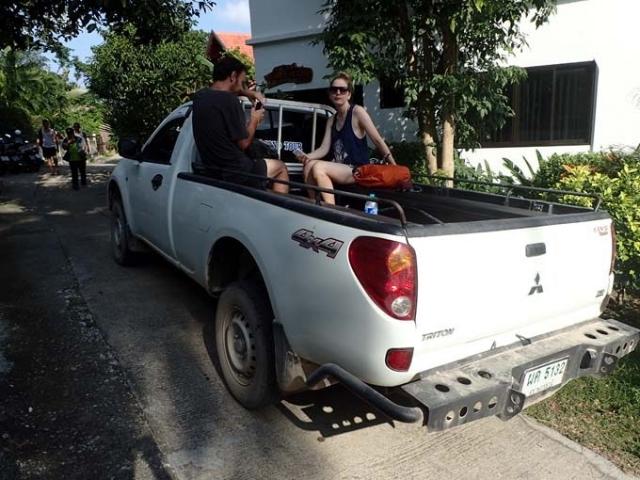 On a small, hilly island with short distances and no meters, taxis on Koh Tao will feel pricey compared with the mainland. The good news: prices have become more reasonable post-pandemic, and there are now a handful of motorcycle taxis for short hops. Here’s how it works and how to keep costs down.
Why taxis are expensive here (the balanced view)
- No meters + very short trips: Most rides are only a few kilometers; a metered fare would be too low to cover costs on such short runs.
- Financed vehicles: Many independent (non-resort) drivers buy their pickup or taxi on finance. Fares need to cover repayments, maintenance, fuel, and a living wage for a small local business—often supporting a family.
- Terrain & wear: Steep hills, rough concrete, and salt air mean higher maintenance and lower vehicle lifespans than in cities.
- Seasonality: Bad-weather days and quieter months reduce earning days, so rates in peak hours/season help balance the year.
Types of taxis you’ll see
- Pickup truck taxis (most common): Bench seats in the back, space for luggage, and room for bags. Fares are usually quoted per passenger; hiring the whole vehicle privately is a separate arrangement and may cost more. Good for small groups and luggage.
- Motorcycle taxis (limited but growing): Best for solo travelers and short hops within a village area. Always wear a helmet and keep big bags for pickup taxis instead.
Boat transport: Road taxis are separate from local taxi boats. For private boat hire, beach or bay transfers by water, see the Taxi Boats in Koh Tao guide.
Where to find a taxi
- Mae Haad Pier: The main taxi cluster when you arrive/depart.
- Outside 7-Elevens: Common waiting spots across the island—especially in Mae Haad, Sairee, and Chalok.
- Busy junctions & beach fronts: Around central Sairee and other popular strips in the evening.
- Your resort/dive center: Many offer free/paid pick-ups—ask ahead and save the arrival fare.
How taxi pricing works
Koh Tao does not have conventional metered taxis. Local transport is mainly provided by pickup truck taxis. Fares are usually quoted per passenger, while hiring the whole vehicle privately is a separate arrangement. Prices vary by route, passenger numbers, luggage, time of day and demand, so confirm the fare before setting off.
Money, safety & etiquette
- Cash is king: Most drivers prefer cash; carry small notes.
- Agree first: Confirm the destination, fare, and whether the quote is per passenger or for a private whole-vehicle arrangement before the ride. Night/rain surcharges are normal.
- Seatbelts/helmets: Use seatbelts where available; on motorcycle taxis, always wear a helmet.
- Bags: Keep valuables with you; secure loose items in the pickup bed.
- Polite Thai helps: “ไป…เท่าไหร่ครับ/คะ?” (bai … tao-rai khráp/khá?) = “How much to …?”
Ways to spend less
- Pre-book a pick-up with your accommodation or dive shop—many include it or offer a better rate than ad-hoc taxis at the pier.
- Share rides (especially pier → Sairee/Chalok). Ask fellow arrivals if they’re heading the same way.
- Travel light to make sharing easier and keep quotes down.
- Walk for micro-trips: In village centers, many places are 5–15 minutes on foot.
About motorcycle taxis
- When they’re useful: Short point-to-point hops within Sairee, Mae Haad, or Chalok.
- How to spot one: Often waiting near 7-Elevens or busy corners; ask politely if they’re taking fares.
- Safety first: Helmet on, one passenger only, no large bags, and confirm price before riding.
Final tip for arrivals
If you haven’t booked your ferry yet, you can arrange it online and then ask your accommodation whether they offer a pier pick-up window. A little planning can save you the most expensive taxi of your trip—the one right after you step off the boat.